Tag: broken capillaries on face

Your Questions, Answered
Acupuncture is a traditional Chinese medicine therapy that involves inserting fine, sterile needles into specific points on the body. In traditional Chinese medicine theory, the body is understood to have pathways of energy, known as Qi, and discomfort is thought to arise when this flow becomes disrupted. Stimulating these points is traditionally believed to help release tension and support relaxation.
The scientific evidence on how acupuncture works is still developing, and findings vary between studies and between individuals, so we don’t make specific claims about mechanisms or outcomes. At Amena Wellness, treatments combine this traditional approach with a modern, evidence-informed practice, so every session is tailored to your individual needs, whether you are seeking pain relief, fertility support, or a natural way to help manage stress.
One of the most common questions we hear is whether acupuncture is painful, and the good news is that most people find it gentle and relaxing rather than uncomfortable. The needles used are extremely fine, much thinner than those used for injections or blood tests, so any sensation is usually described as a light tap, a dull ache, or a mild tingling around the point of insertion. Many clients feel little more than a brief pinprick before settling into deep relaxation, and some even fall asleep during treatment.
Safety matters just as much as comfort. All needles are single-use, sterile, and disposed of immediately after each session, which minimises the risk of cross-contamination. When performed by a qualified, registered practitioner, acupuncture is generally well tolerated and serious complications are uncommon. As with any treatment involving needles, minor effects such as small bruises, brief bleeding at the needle site, or temporary tiredness can occasionally occur.
If you have any concerns about needles or specific health conditions, including if you are pregnant, taking blood-thinning medication, or have a bleeding disorder, it’s always worth discussing them before your appointment so your treatment plan can be adjusted accordingly.
Acupuncture and Chinese medicine take a whole-body approach, looking at the pattern behind a concern rather than just the symptom in front of it. They’re commonly used to help manage pain and musculoskeletal issues such as back pain, joint stiffness, and muscle tension, and many clients also come in for support with everyday stress.
They’re also used alongside conventional pregnancy and fertility care, including IVF, to support general wellbeing and relaxation. This sits alongside, not in place of, the care of your GP, obstetrician, or fertility specialist. Other clients use Chinese medicine to support digestive comfort, skin health, or broader wellness goals, again as an addition to any conventional treatment they’re already receiving.
Because everyone’s situation is different, a thorough consultation is the best way to find out whether acupuncture could be a good fit for you, and your practitioner will always be upfront about what the evidence does and doesn’t support.
The number of sessions needed varies from person to person, depending on the condition being addressed, how long you’ve experienced it, and your overall health. Some people notice a difference, such as reduced tension or better sleep, after just one or two sessions, while more complex or long-standing concerns may benefit from a series of treatments over several weeks or months.
Chronic pain, fertility support, and ongoing wellness goals typically respond best to a consistent treatment plan rather than a single visit, much like fitness improves with regular training rather than one workout.
During your initial consultation, your practitioner will assess your individual circumstances and suggest a realistic treatment schedule, which may start with more frequent sessions before tapering off as your body responds. There’s no guarantee of a particular outcome, and being open about how you feel after each visit helps your practitioner fine-tune your plan as you go.
Acupuncture has a long history of use throughout pregnancy, and when performed by a practitioner experienced in pregnancy-specific point selection, it is generally considered a low-risk, gentle therapy. Many women use acupuncture as a complementary approach to help manage common pregnancy symptoms such as nausea, fatigue, back pain, and sleep difficulties, and some choose it in the lead-up to labour for relaxation and comfort.
For those trying to conceive, acupuncture is often used alongside fertility treatments and IVF as a complementary therapy, particularly to support relaxation and general wellbeing during what can be a stressful process. It is not a substitute for the care of your fertility specialist, and there’s no guarantee it will affect fertility outcomes.
Treatment should always be tailored to your trimester and individual health history, which is why a detailed consultation, including your obstetric and medical history, is essential before beginning care. Some clients also find postpartum acupuncture a helpful complementary therapy to support recovery and emotional wellbeing after birth. If you are pregnant, planning a pregnancy, or undergoing fertility treatment, please discuss your history openly so your practitioner can create an appropriately tailored plan around you.
Your first appointment is designed to be thorough and relaxed, so there’s no need to feel nervous if it’s your first time trying acupuncture or Chinese medicine. The session typically begins with a detailed conversation about your health history, current concerns, lifestyle, and wellness goals, as this helps your practitioner understand the full picture rather than just the presenting symptom. This may include questions that seem unrelated to your main concern, such as your sleep, digestion, or stress levels, because Chinese medicine looks at the body as an interconnected system.
Your practitioner may also check your pulse and examine your tongue, as both offer insight used within traditional Chinese medicine diagnosis. From there, a personalised treatment plan is developed, and your first treatment, which may include acupuncture, cupping, or other therapies, will usually take place during the same visit. Many people leave feeling calmer and more relaxed, with a clear understanding of what to expect from ongoing care.
While acupuncture and dry needling both use fine needles inserted into the body, the philosophy, training, and approach behind them are quite different. Dry needling is generally a Western technique that targets specific trigger points within a muscle to relieve tension and pain, often used as part of physiotherapy or sports rehabilitation. Acupuncture, on the other hand, is rooted in traditional Chinese medicine and considers the body as a whole interconnected system, addressing physical, emotional, and internal aspects of health.
An acupuncturist selects points based on a broader diagnostic framework, which may involve the pulse, tongue, and overall pattern of imbalance, rather than focusing solely on a tight muscle. This means acupuncture may be used as a complementary approach for concerns such as stress, digestive discomfort, or general hormonal wellbeing, in addition to musculoskeletal pain. Practitioners trained in traditional Chinese medicine also complete extensive study in herbal medicine, diagnosis, and holistic treatment planning, offering a broader lens on your overall health and wellbeing.
Cupping is a traditional Chinese medicine technique that uses specially designed cups to create suction on the skin. It is traditionally understood to help draw blood flow to the area, ease tight muscles, and support the body’s natural recovery process, and is often used alongside acupuncture as a complementary approach for pain, tension, stress, and concerns such as muscle stiffness or poor circulation.
During treatment, the cups may be left in place for several minutes or gently moved across the skin, depending on your individual needs and the area being treated. It’s completely normal for cupping to leave temporary circular marks, ranging in colour from light pink to a deeper purple, similar to a bruise. These marks are generally not painful and are caused by the suction drawing blood towards the surface of the skin, fading naturally within a few days to a week. Cupping is commonly used alongside other Chinese medicine therapies such as moxibustion, gua sha, and tui na massage.
Many private health insurance providers in Australia offer rebates for acupuncture and other natural therapies as part of their extras or ancillary cover, though the level of cover varies significantly between funds and individual policies. Some policies include acupuncture as a standard inclusion, while others may require an add-on or a specific level of extras cover before rebates apply.
Because every policy is different, we always recommend checking directly with your health fund before your appointment to understand your level of cover, any annual limits, and whether a referral is required.
It’s also worth confirming whether your practitioner is registered with the relevant provider number, as this is usually needed to process a claim. While cosmetic treatments are generally not covered, therapeutic acupuncture for pain, stress, fertility support, and other health concerns is commonly eligible. Bringing your health fund card allows same-day claiming through HICAPS where available, making the process as simple as possible.
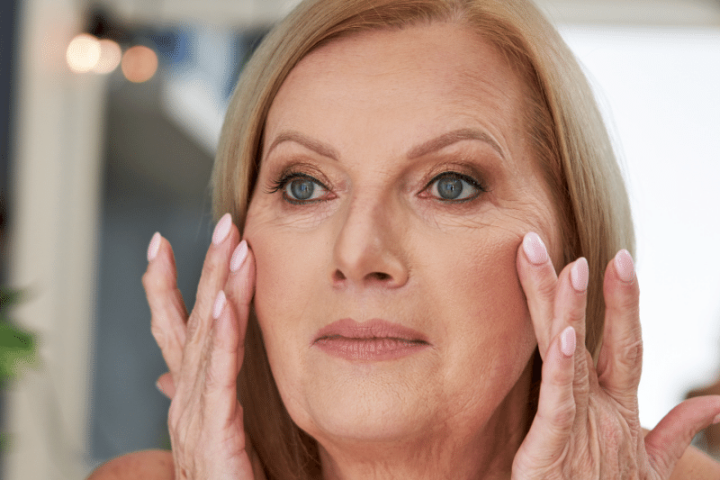
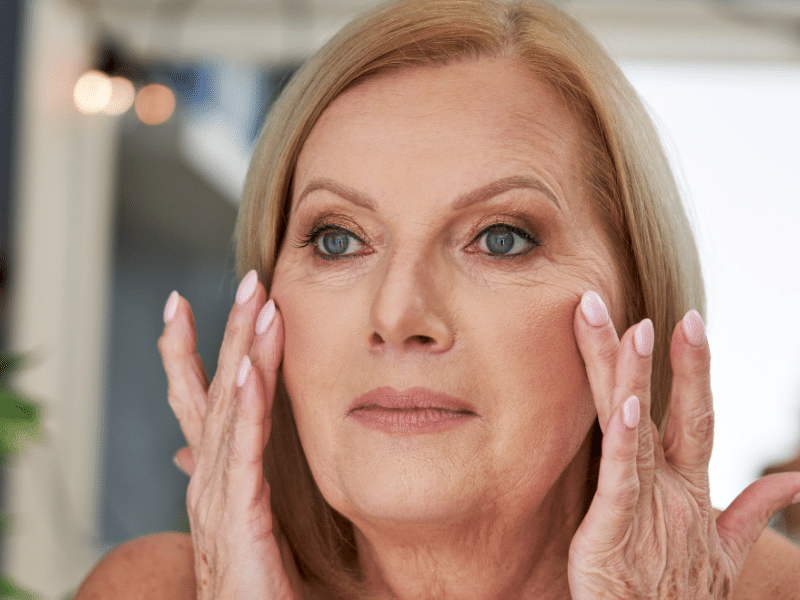
Cosmetic acupuncture and skin treatments, such as the Turmeric Acupuncture Facial, Collagen Induction Therapy, and Cellulite Cupping, offer a gentler, non-surgical option for people looking to care for their skin. As with all treatments at Amena Wellness, single-use sterile equipment and proper hygiene procedures are followed, and your practitioner will talk you through the realistic risks and common effects, such as temporary redness, bruising, or sensitivity, before you begin.
Cosmetic acupuncture, sometimes called a facial rejuvenation treatment, uses very fine needles on the face and body and is traditionally used to help support skin tone and a brighter, more refreshed complexion over a course of sessions. Collagen Induction Therapy works in a similar way, using fine needling to encourage the skin’s own natural collagen production. Any changes build gradually, and outcomes differ from person to person depending on skin type, age, and lifestyle. No specific result can be guaranteed, and your practitioner will be upfront with you about what’s realistic for your skin.
As with any natural therapy, consistency matters. After a full consultation, a personalised plan will be recommended based on your skin type, goals, and lifestyle to support your skin over the longer term.
How You Can Reach Us
Visit our clinic in Tweed Heads, give us a call or send a message and we will respond as soon as possible.
Fill in your details and we will be in touch shortly.
